
24/7 availability
Request service whenever a chimney or fireplace concern comes to your attention.
Iron Hearth Chimney Services provides dependable chimney cleaning, inspection, maintenance and repair solutions for homeowners throughout Seattle—available whenever chimney concerns arise.
Explore our chimney services

Iron Hearth Chimney Services helps Seattle homeowners address the cleaning, airflow, inspection, maintenance and repair needs that come with residential chimney systems. A fireplace can be an important part of a home’s comfort, but soot, debris, weather exposure and normal material wear can all affect how the chimney looks and functions over time.
Our service approach begins with the condition of your home and the concern you are seeing. Whether you need routine chimney care, help with visible buildup, attention to damaged masonry or a closer look at draft and moisture issues, we make it straightforward to describe the problem and coordinate service. With 24/7 availability throughout Seattle and nearby communities, help is just a phone call or online request away.
Clear options, local availability and chimney care organized around the needs of the property.
Request service whenever a chimney or fireplace concern comes to your attention.
Serving homeowners throughout Seattle and surrounding communities from one local address.
Service options shaped around residential chimneys, fireplaces and visible property conditions.
Cleaning, inspection, maintenance and repair needs handled through one simple point of contact.
Describe what you are seeing and get helpful direction on the appropriate service request.
Call directly or use the online form to start arranging chimney service.
From routine soot removal to weather-related repairs, explore care for the full residential chimney system.
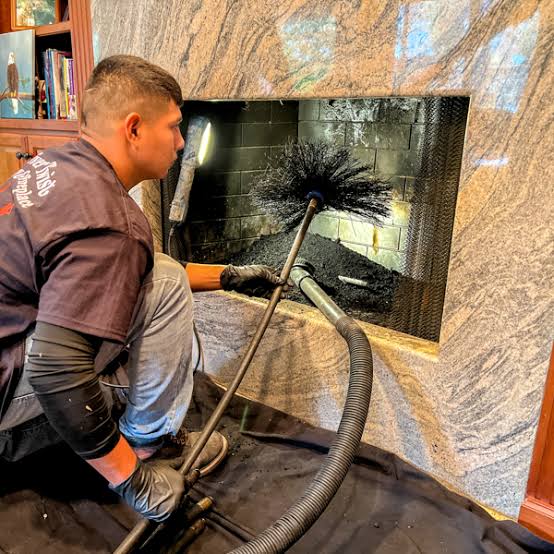
Routine sweeping to address soot and accessible buildup associated with fireplace use.
Learn more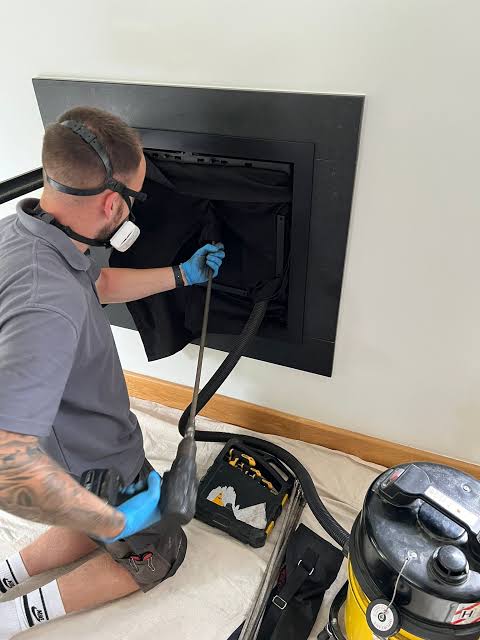
Cleaning for debris, residue and other material that can collect inside the chimney.
Learn more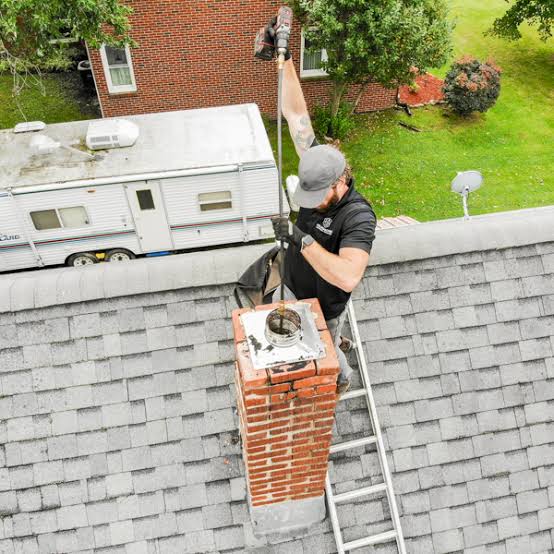
A condition-focused look at accessible chimney and fireplace components.
Learn more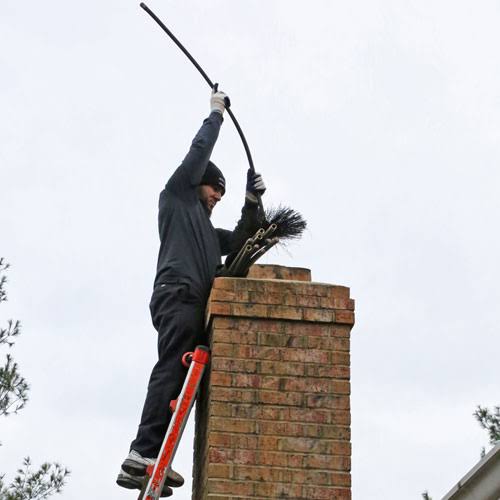
Attention to damaged, worn, cracked or loose chimney components.
Learn more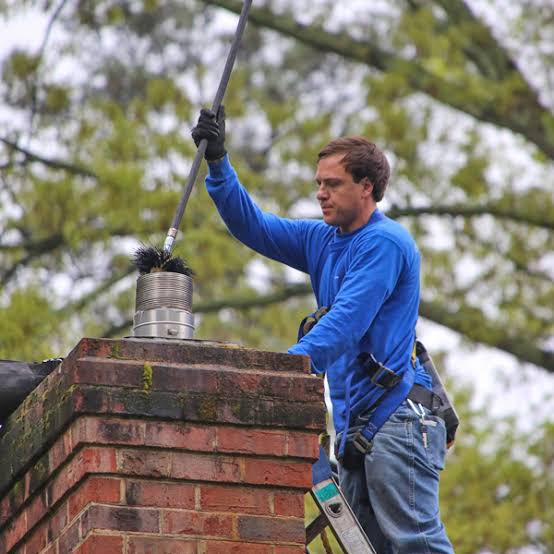
Cap evaluation and service to help limit entry by rain, debris and animals.
Learn more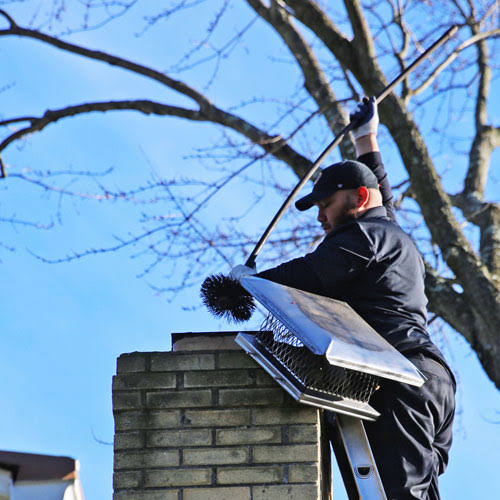
Service for cracks, surface wear and deterioration at the chimney’s top section.
Learn more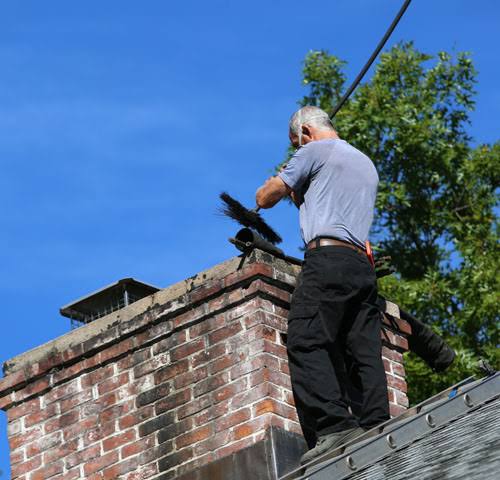
Care for the weather-resistant transition where the chimney meets the roof.
Learn more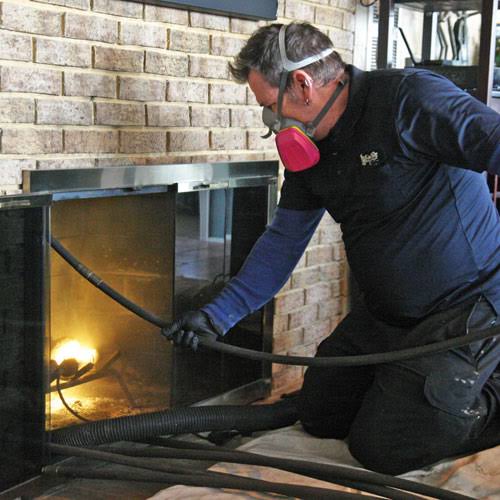
Chimney care connected to the condition and use of residential fireplaces.
Learn more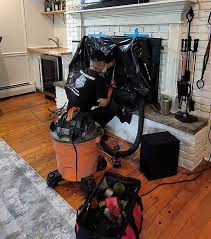
Service focused on residue that can develop through wood-burning fireplace use.
Learn more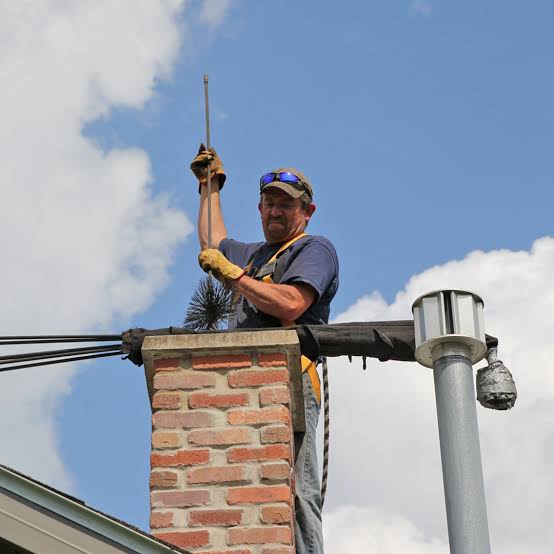
Evaluation and repair options for deteriorated mortar, cracks and masonry wear.
Learn more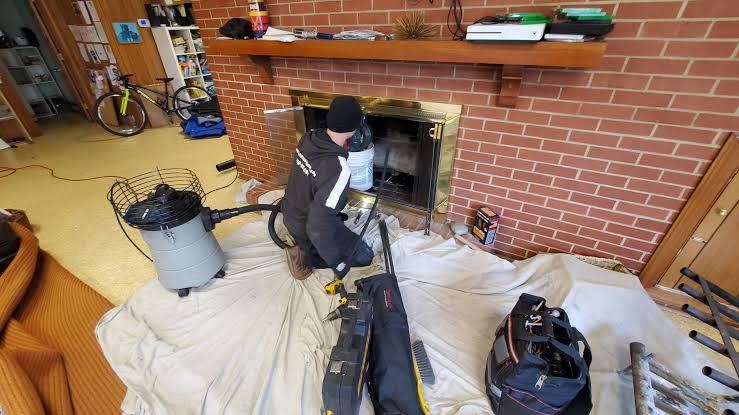
A practical review of common chimney draft and airflow concerns.
Learn more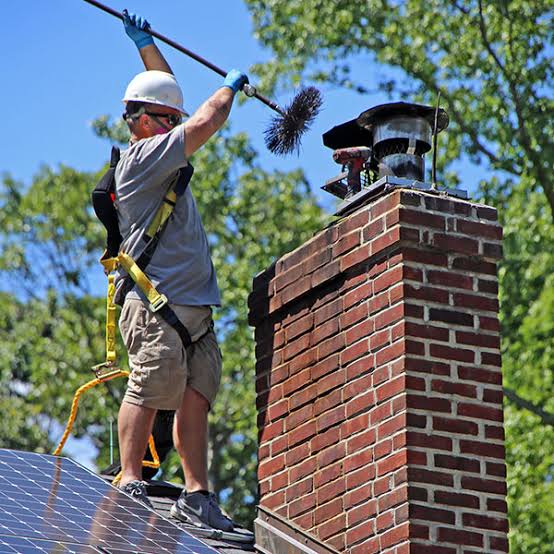
Periodic care to address routine needs and smaller visible concerns.
Learn moreDifferent symptoms point to different parts of the system. These service descriptions can help you identify the right place to begin.
Routine chimney sweeping helps remove soot and accessible buildup that can collect with fireplace use. The exact frequency depends on how often you burn, the fuel used and the condition of the chimney system. A sweep focuses on the flue and related areas that can be reached with the appropriate tools, helping support cleaner passageways and ongoing upkeep. If you see heavy soot, notice recurring odors or have not had the chimney checked recently, a sweep and condition review can be a practical place to start.
Request sweeping serviceChimney systems may collect soot, leaves, nesting material, dust and other residue over time. Cleaning is tailored to the accessible areas and the type of buildup present, with attention to keeping the work area organized. Because obstructions and residue can appear in different parts of the system, describing odors, debris, fireplace use or recent animal activity helps guide the service request. Cleaning can also create a clearer view of accessible surfaces when inspection or maintenance is needed.
Request chimney cleaningA chimney inspection provides a condition-focused look at accessible components of the chimney and fireplace. Depending on the property, that may include visible masonry, the firebox, damper area, cap, crown, flashing and accessible flue surfaces. The goal is to note apparent buildup, wear, moisture clues, loose materials or other conditions that may require cleaning, maintenance or repair. An inspection is especially useful when purchasing a home, returning a fireplace to use or investigating a change in draft, odor or appearance.
Request an inspectionCreosote is residue associated with burning wood and similar fuels. Its amount and texture can vary depending on fuel quality, burn temperature, airflow and the condition of the chimney. Visible or excessive accumulation deserves attention because it may be more difficult to address than ordinary soot. Service begins by considering the accessible buildup and the chimney’s current condition, then identifying an appropriate cleaning approach. Regular observation and timely service can help keep the system from being neglected between periods of fireplace use.
Ask about creosote removalWeather, age and normal use can affect chimney components in different ways. Visible cracks, loose materials, deteriorated joints, damaged caps and signs of water entry can all indicate a repair need. Because chimney construction varies from home to home, the appropriate work depends on where the damage appears and how extensive it is. A condition review helps organize the next step, from smaller component attention to more involved masonry or moisture-related work. Share photos or describe what you are seeing when you request service.
Discuss a chimney repairA chimney cap sits over the top opening and may help reduce entry by rain, leaves, nesting material and animals. Caps can loosen, corrode, become damaged or no longer fit properly after weather exposure. Chimney cap service may involve evaluating the existing cap, clearing nearby debris, making adjustments or discussing replacement when appropriate. The chimney opening, flue configuration and surrounding crown all influence cap selection and fit, so the visible condition of the entire top section should be considered together.
Request cap serviceThe chimney crown is the sloped surface at the top of many masonry chimneys. It is exposed to Seattle rain, temperature changes and ongoing weathering, which can lead to visible cracking, surface wear or deterioration around the flue. Crown concerns may allow moisture to reach nearby materials, so the location and extent of damage matter. Service focuses on evaluating the accessible crown and identifying repair needs that suit its condition, from smaller visible defects to more substantial deterioration.
Request crown repairFlashing helps manage water where the chimney passes through the roof. If metal sections are loose, worn, poorly sealed or damaged, moisture may appear around the chimney intersection or inside nearby ceilings and walls. Flashing service considers the visible relationship between the roof covering, chimney masonry and metal transitions. Water can travel before it becomes noticeable indoors, so signs such as staining, dampness or repeated leakage should be described when arranging an evaluation.
Ask about flashing serviceBrick and mortar remain exposed to seasonal rain, wind and temperature changes. Over time, mortar joints may erode, bricks may show surface wear and visible cracks can appear in the stack or crown. Masonry repair begins with the location, pattern and extent of the visible condition. The work may focus on deteriorated joints, isolated damaged areas or related top-of-chimney components. Addressing smaller visible concerns can also help homeowners monitor the structure before deterioration becomes more extensive.
Request masonry serviceA residential fireplace and its chimney work as one connected system. Soot in the firebox, damper movement, odors, visible residue and changes in draft can all influence the type of service needed. Fireplace chimney care may include cleaning, accessible condition review and attention to maintenance concerns around the hearth and flue path. If the fireplace has not been used for an extended period or behaves differently than expected, describe those changes when arranging service.
Request fireplace chimney serviceSmoke that lingers, odors that enter the room or a fireplace that seems difficult to start may point to a draft or venting concern. Common factors can include chimney height, outdoor conditions, obstructions, buildup, damper position and competing airflow inside the home. An evaluation considers the symptoms and accessible system conditions without assuming a single cause. Sharing when the issue occurs, how the fireplace is used and whether the home has changed recently can provide useful context.
Discuss a draft concernPeriodic chimney care can make it easier to notice soot, debris, material wear, cap issues and moisture clues before they are overlooked. Maintenance needs vary by fireplace use, fuel type, system design and exposure to Seattle weather. A practical plan may combine sweeping or cleaning with visual attention to accessible masonry and rooftop components. If you are unsure where to begin, request an inspection-focused visit and describe when the chimney was last serviced and any changes you have observed.
Plan chimney maintenanceCall (253) 648-5750 or complete the online service request.
Describe the fireplace, chimney, cleaning, inspection or repair concern.
Coordinate an available service time that works with your property needs.
The requested work is performed based on the chimney and visible site conditions.
Iron Hearth Chimney Services serves homeowners throughout Seattle, Washington and surrounding communities. Our primary address is:
1800C S Jackson St
The right cleaning schedule depends on how often the fireplace is used, the type of fuel burned, the amount of buildup and the chimney’s overall condition. A professional inspection can help determine when cleaning is appropriate for your home.
A chimney sweep service generally focuses on removing soot and accessible buildup from the chimney or flue area. The exact work depends on the design and condition of the system, so the service may also include a visual review of accessible components.
Creosote is a residue that can develop inside a chimney when wood or similar fuel is burned. The amount and form of buildup can vary with fuel, burning habits, airflow and chimney conditions, which is why visible accumulation should be evaluated.
Common signs include persistent odors, visible soot, debris in the firebox, animal activity, water intrusion, deteriorating mortar, cracks, smoke entering the room, weak draft or noticeable buildup inside accessible areas.
Yes. Iron Hearth Chimney Services offers condition-focused chimney inspection services for homeowners in Seattle and surrounding communities. Call or use the service request form to describe the property and the concern.
Many visible masonry concerns can be evaluated for repair, including cracked mortar joints, loose materials, weathered bricks and crown deterioration. The appropriate repair depends on the location, extent and condition of the affected masonry.
A properly fitted chimney cap may help limit entry by birds, animals, leaves, debris and precipitation. Cap condition and fit should be considered along with the design of the chimney opening.
Yes. Iron Hearth Chimney Services lists 24/7 availability for customers in the Seattle area. Call (253) 648-5750 at any time to discuss your chimney service needs.
Iron Hearth Chimney Services serves homeowners throughout Seattle, including neighborhoods such as the Central District, Capitol Hill, Beacon Hill, Ballard, Queen Anne, West Seattle and nearby communities.
Call (253) 648-5750 or complete the service request form with your name, contact information and a brief description of the cleaning, inspection, repair or maintenance work you need.
Tell us what is happening with your chimney or fireplace. For immediate scheduling, call us directly at any time.
Call 24/7(253) 648-5750Complete the form below. Required fields are marked with an asterisk.